
Maths and logic games
Besides the Number Blocks Generator, NumBlocksGen hosts a small set of browser games made by Scratch creators and credited on each page. We keep the list short on purpose: each game is here because it practises one clear skill, and each page explains what that skill is and how to get more out of it. For number work you can check yourself, use the Number Blocks Tool.

Counting and number recognition
For children who are learning to count a group of objects and match it to a written numeral.
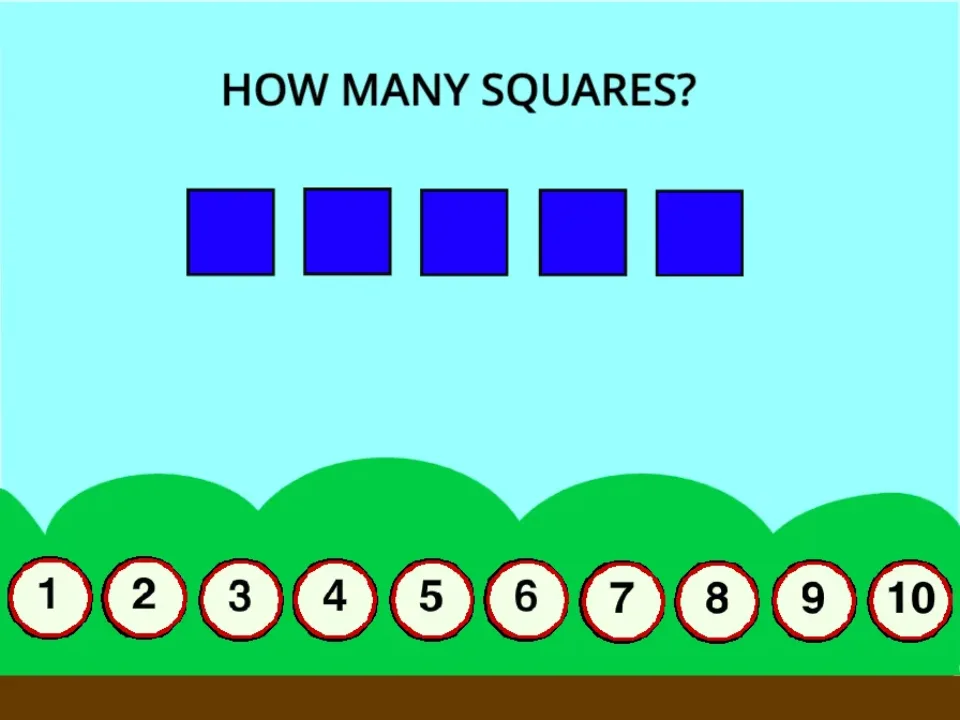
- Counting Squares - Counting a set and matching it to a numeral. Count the squares on screen and press the matching number in a focused visual counting game.
Fractions
For learners who already know what a fraction is and want to use that knowledge to solve puzzles.
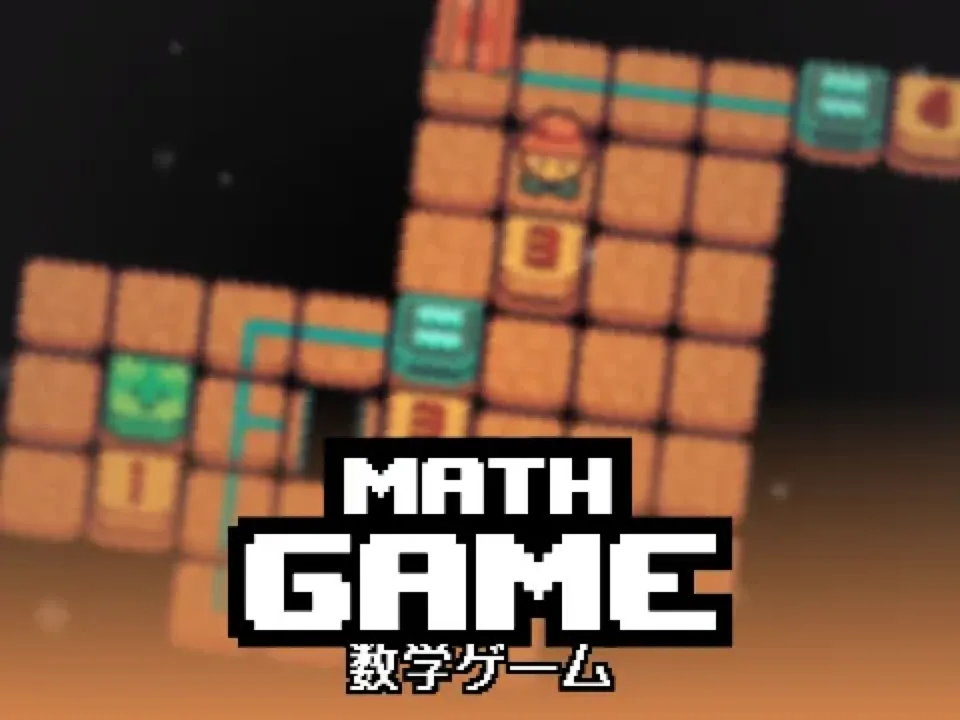
- Fraction Galaxy - Fractions in context. Move through a fraction puzzle galaxy by solving math gates and pushing blocks into the right places.
Logic and planning
No arithmetic, but plenty of reasoning: predicting the result of a move, working backwards and ruling out options.
- Pivot Logic - Rotation and cause and effect. Rotate the whole board and reason about momentum to guide the red ball to the green goal.
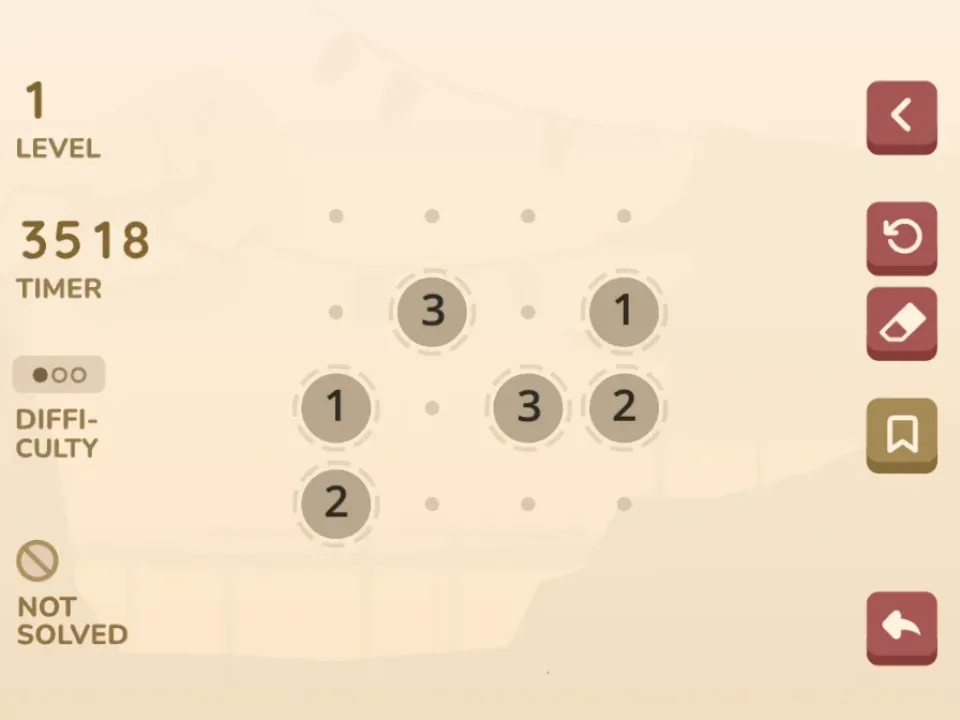
- Arukone Logic - Paths, pairs and grid logic. Connect matching number pairs with clean lines and fill each puzzle grid without crossing paths.
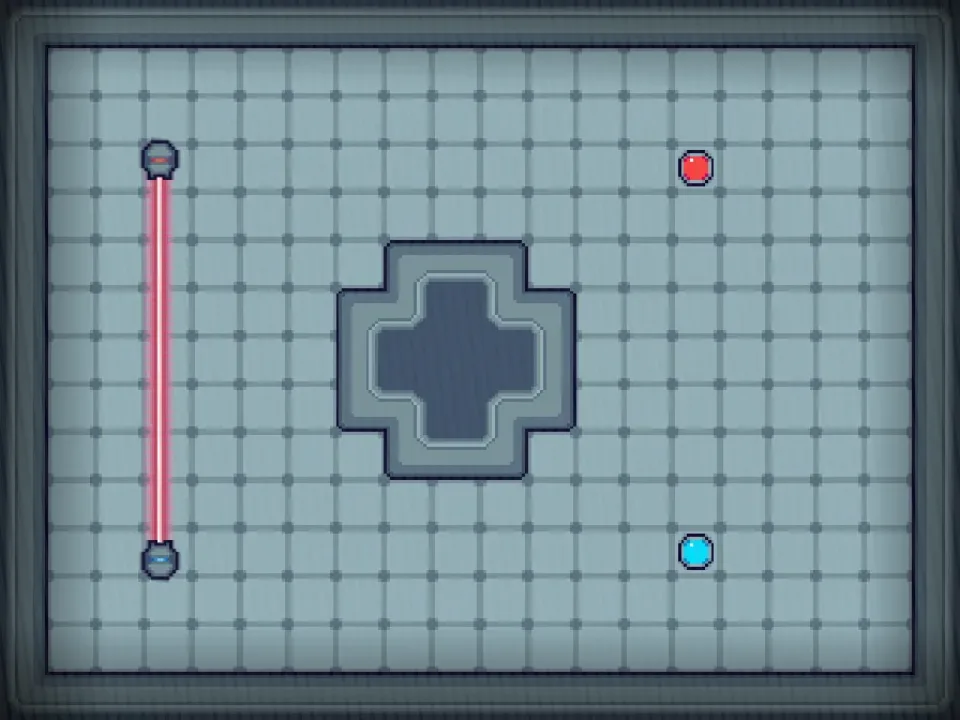
- Laser Connect - Planning with two moving parts. Guide two bots through laser-linked puzzle rooms by coordinating movement and planning each step.
Sequencing
Putting items in order by position, the same skill used for ordering numbers.
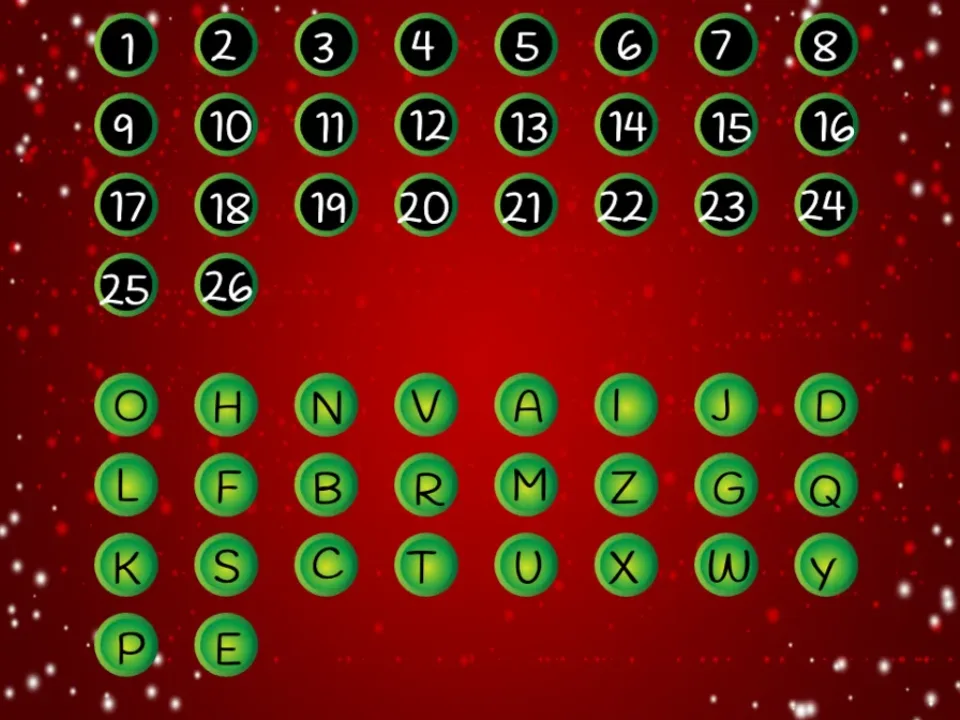
- Alphabet Game - Sequencing (letters in order). Drag letters into numbered positions and practice alphabetical order in a focused sequence game.
How to choose
Pick by the skill you want to practise rather than by age. A seven-year-old who enjoys mazes may get more from Arukone than from a counting game, while an older child who is unsure about fractions should work through a few on paper before trying Fraction Galaxy. Short sessions of ten to fifteen minutes, with a chat afterwards about what was tricky, are usually more useful than long ones.